No Cost Emi How Does It Work? (find Out Here)
The Great Interest Illusion: Deciphering How Does An Emi Work In The Real World
You know that feeling when you finally find the perfect car or that sleek new laptop, but your bank account is looking a little thin? We’ve all been there. Then, like magic, the salesperson mentions those three little letters that make the impossible feel affordable: EMI. It sounds so simple, right? You just pay a small chunk every month until the debt vanishes. But have you ever stopped to wonder how does an emi work behind the scenes of your banking app? Honestly, it’s less like magic and more like a very calculated math dance that usually favors the house.
I’ve spent over a decade dissecting financial products and watching people sign papers they don’t quite understand. Look—it is my job to tell you that while an equated monthly installment is a tool for freedom, it can also be a golden cage if you don’t know the mechanics. We aren’t just talking about basic division here. There is a complex relationship between your principal amount, the ticking clock of the loan tenure, and the ever-hungry interest rate. If you have ever felt like your loan balance isn’t dropping fast enough despite your timely payments, you are starting to see the true nature of the beast.
The beauty of the system is its predictability. You pay the exact same amount on the same day every single month until the clock runs out. This stability is why everyone loves them. It makes budgeting easy. However, the internal composition of that payment changes every single month in a process called amortization. Understanding how does an emi work requires looking past the fixed monthly number and seeing how the bank slowly shifts the weight from paying off interest to actually attacking your debt. It’s a slow burn, seriously.
Let’s pull back the curtain on this financial wizardry. To really grasp the concept, we have to look at the ingredients. You have the principal amount, which is the actual cash you walked away with. Then there is the interest rate, which is the price of “renting” that money. Finally, there is the loan tenure, or how long you plan to keep the bank’s money. When these three get tossed into the blender, out pops your EMI. It is a delicate balance that determines how much of your hard-earned cash stays in your pocket and how much goes to the bank’s skyscraper fund.
The Mathematical Engine Fueling Your Monthly Payments
At the heart of the mystery of how does an emi work lies a specific formula that hasn’t changed much in decades. The standard calculation uses a formula that looks like a nightmare from high school algebra. It involves taking the principal, multiplying it by the monthly interest rate, and then factoring in the power of the time remaining. While you don’t need to be a math genius to use a calculator, knowing the components helps you spot a bad deal from a mile away. It is all about the “reducing balance” method, which is the industry standard for most reputable lenders.
The Principal and Interest Tug-of-War

How Does No Cost Emi Work?
Every time you make a payment, the bank splits your money into two different buckets. One bucket goes toward paying the interest for that specific month, and whatever is left over goes into the bucket that actually reduces your loan balance. In the early days of your loan, the interest bucket is huge. Since your total debt is at its highest, the interest calculated on that debt is also at its peak. This means that for the first few years of a mortgage, for example, you are barely making a dent in the actual principal. It’s frustrating, I know.
As time goes on, the balance shifts in your favor. Because you have slowly chipped away at the principal, the interest for the next month is calculated on a slightly smaller number. Less interest means more of your fixed EMI can be diverted to the principal repayment. This is why the end of a loan feels like it accelerates. You are finally hitting the debt where it hurts. Understanding this shift is the first step in mastering how does an emi work to your advantage rather than your detriment.
The Impact of Reducing Balance Loans
You might hear lenders talk about “flat rates” versus “reducing balance rates,” and you need to pay attention here. A flat rate is a trap. It calculates interest on the original loan amount for the entire duration, regardless of how much you have already paid back. Thankfully, most modern consumer loans use the reducing balance method. This ensures that you only pay interest on the money you actually still owe. It is a much fairer way to handle debt, but it still requires a clear head to navigate the long-term costs.
When people ask me how does an emi work, I always point to the amortization schedule. This is a table that shows exactly how much of each payment goes to interest versus principal. If you look at one of these, you will see the interest column start high and shrink over time, while the principal column does the opposite. It’s a visual representation of your journey toward financial freedom. Without this schedule, you are basically flying blind, just hoping that the bank is doing the math correctly. Spoiler: they usually are, but it doesn’t hurt to check.
Why Monthly Compounding Matters
Interest isn’t just a one-time fee; it is a living, breathing thing that compounds. Most EMIs are calculated with monthly compounding in mind. This means the interest rate is divided by 12, and applied to your remaining balance every 30 days. It sounds small, but over a twenty-year home loan, those monthly calculations add up to a staggering amount. This is the “secret sauce” that allows banks to stay in business. They aren’t just lending you money; they are selling you time, and time is expensive.
The Three Pillars That Determine Your EMI Cost

What Emi Shielding Is And How To Select Appropriate Materials? Ibe
If you want to manipulate your monthly outgo, you have to understand the three levers you can pull. To truly grasp how does an emi work, you have to see it as a 3D puzzle. If you change one side, the others must react. Most people only focus on the monthly number, but that is a rookie mistake. You should be looking at the total interest payable over the life of the loan. That is the real price of the item you just bought. Sometimes, a lower EMI actually means a much more expensive loan in the long run.
The Weight of the Principal Amount
The most obvious factor is the principal. The more you borrow, the higher the EMI. Simple, right? But here is the kicker: the relationship isn’t always linear because of the interest. If you can increase your down payment by even 10%, the ripple effect on your monthly EMI and the total interest you save is massive. It is almost always better to wait an extra month or two to save a larger down payment than to jump into a high-principal loan. Your future self will thank you for the smaller monthly burden.
I often tell my clients to think of the principal as the weight they have to carry up a hill. The interest is the gravity pulling them back. If you start with a lighter pack, the climb is significantly easier. When investigating how does an emi work, never underestimate the power of a smaller starting balance. Even a tiny reduction in the initial loan can shave months off your repayment period if you keep your payments the same. It is all about leverage, and the principal is your biggest lever.
Navigating the Interest Rate Landscape
The interest rate is the most volatile part of the equation. Whether you have a fixed interest rate or a floating one, this percentage dictates the “gravity” I mentioned earlier. A 1% difference might not seem like much on a small gadget, but on a house or a car, it is the difference between a luxury vacation and a staycation. Rates are determined by your credit score, the economy, and the lender’s appetite for risk. If your credit is good, you have the power to negotiate.
When people ask how does an emi work with floating rates, things get spicy. In a floating rate scenario, your EMI might stay the same, but the bank will quietly extend your loan tenure if rates go up. Or, your EMI might suddenly jump. This uncertainty is the price you pay for potentially lower rates when the economy is doing well. It is a gamble. Personally? I like the peace of mind of a fixed rate, but I know plenty of folks who have saved a fortune by riding the floating rate wave during a market dip.
The Double-Edged Sword of Loan Tenure
How Does Credit Card Emi Calculator Work? Simple Tax India
Tenure is where most people get tripped up. It is tempting to choose a long-term loan because it makes the monthly EMI look tiny and manageable. You think, “Hey, I can afford $200 a month!” But if you are paying that for seven years on a three-year asset, you are losing the game. A longer tenure means you are paying interest on the principal for a longer period of time. This significantly increases the total cost of the loan. It is a trap for the unwary.
To see how does an emi work when you shorten the tenure, just look at the total interest. By choosing a 3-year car loan instead of a 5-year one, you might pay $100 more per month, but you could save thousands in interest. It is a trade-off between monthly cash flow and total wealth. Look—if you can afford the higher monthly payment without eating ramen every night, always go for the shorter tenure. Getting out of debt faster is the best financial “return” you can get.
-
- Evaluate your monthly budget to see the maximum you can comfortably pay.
- Compare different lenders to find the lowest possible interest rate.
- Calculate the total interest for various tenures before signing anything.
- Check for hidden fees like processing charges or pre-payment penalties.
- Consider making extra payments toward the principal whenever possible.
Emi Filters Iqs Directory
Strategies to Hack Your EMI and Save Money
Just because the bank gave you a schedule doesn’t mean you have to follow it like a robot. Once you understand how does an emi work, you can start looking for loopholes. The goal is to reduce the total interest you pay. Banks hate this, obviously, because your interest is their profit. But you aren’t here to make the bank happy; you are here to protect your net worth. There are several legal and smart ways to beat the system if you are disciplined enough to pull it off.
The Power of Prepayments
The single most effective way to crush a loan is through prepayments. When you pay an extra $500 toward your loan, that money doesn’t get split between interest and principal. It goes 100% toward the principal reduction. This is huge. By lowering the principal instantly, you reduce the base on which next month’s interest is calculated. It has a compounding effect in reverse. Even one extra EMI payment a year can shave years off a long-term mortgage. It’s the ultimate “cheat code” in finance.
Before you do this, though, check your contract. Some lenders charge pre-payment penalties because they want that guaranteed interest income. Seriously, it is a thing. If your loan has high penalties, the math might not work in your favor. But for most modern personal and home loans, prepayments are either free or very cheap. If you get a tax refund or a bonus at work, throwing it at your loan is often better than putting it in a savings account that pays pennies in interest.
Refinancing and Balance Transfers
Sometimes, the best way to handle a bad loan is to kill it and start a new one. This is called refinancing. If interest rates have dropped since you took out your loan, or if your credit score has improved significantly, you can move your debt to a new lender. They pay off your old loan, and you start a new loan agreement with better terms. Understanding how does an emi work in a new market context can save you a fortune. It is like shopping for a better price on a recurring bill.
Emi Filters Types, Applications, Benefits, And Components
A balance transfer works similarly for credit card debt or smaller personal loans. You move the “balance” to a new card or lender, often with a 0% introductory interest rate. Just be careful. If you don’t pay off the debt before the intro period ends, you might get slapped with an even higher rate. Use these tools as a scalpel, not a sledgehammer. They require precision and a clear exit strategy to be effective. Otherwise, you are just moving furniture around on a sinking ship.
Increasing Your EMI Voluntarily
If you get a raise at work, don’t just increase your lifestyle spending. Contact your bank and ask to increase your monthly EMI. Most people don’t realize you can do this. By increasing the monthly amount, you are essentially making a “mini-prepayment” every single month. This accelerates the amortization process. It is a “set it and forget it” way to get out of debt faster. Since you are already used to the money being gone, you won’t even miss the extra amount after a few months.
When you look at how does an emi work over a 20-year period, even a 5% increase in your monthly payment can result in finishing the loan 3 or 4 years early. That is 48 months of payments you just deleted from your future. That is the kind of math that makes me excited to get out of bed in the morning. It is about taking control of the timeline. You are the boss of your debt, not the other way around. Stay aggressive, stay informed, and keep your eye on the finish line.
-
- Use an online EMI calculator to run “what-if” scenarios.
- Automate your payments to avoid late fees that reset your progress.
- Review your loan statement every six months to track your principal progress.
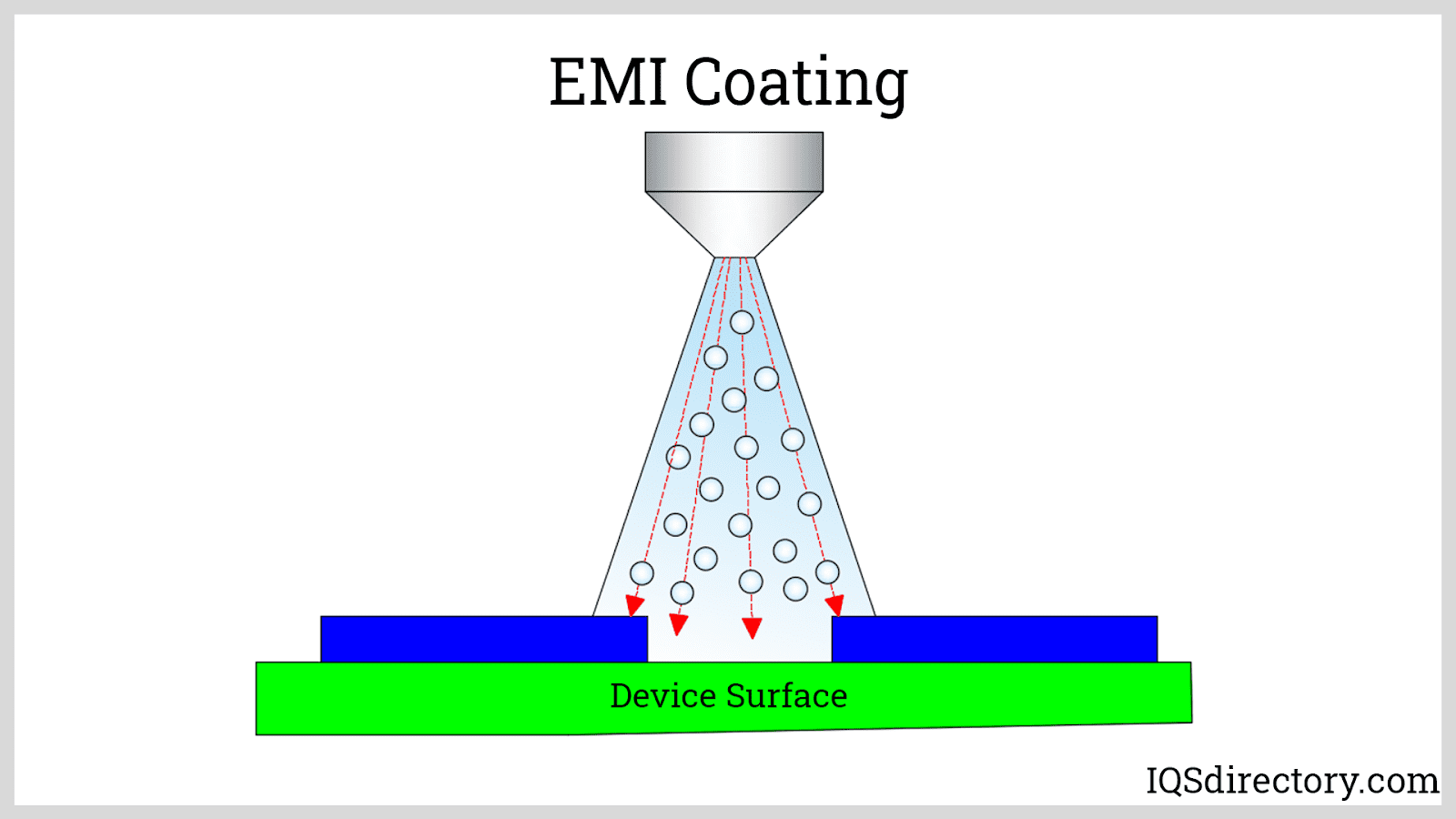
Emi Shielding What Is It? How Does It Work? Materials
- Negotiate with your bank if you see better rates being offered to new customers.
Common Questions About How Does An Emi Work
What happens if I miss an EMI payment?
Missing a payment is a big deal. First, you will get hit with a late fee, which is annoying. More importantly, it signals to the bank that you are a high-risk borrower, which can tank your credit score. If the loan is secured, like a car or house, the lender eventually has the right to repossess the asset. Always communicate with your lender if you are having trouble; they would often rather restructure the loan than go through the hassle of foreclosure.
Can I change my EMI amount in the middle of the tenure?
Yes, usually, but it involves a bit of paperwork. You can either make a partial prepayment to reduce the future EMI amount while keeping the tenure the same, or you can ask the bank to increase the EMI to shorten the tenure. Banks are generally happy to take more of your money sooner. Just make sure to get the new amortization schedule in writing so you can verify that the math is actually working in your favor.
Is a zero-percent EMI actually free?
Nothing in life is truly free, especially in finance. When you see “No-Cost EMI,” the interest is usually baked into the price of the product or paid by the retailer to the bank as a subvention. Or, you might find that you lose out on a “cash discount” you would have received if you paid upfront. While it is a great way to manage cash flow without extra interest, always compare the total cost of ownership with the cash price to see where the “hidden” interest is hiding.
Does the interest rate stay the same for the whole loan?
That depends entirely on whether you chose a fixed or floating rate. With a fixed rate, the percentage is locked in, giving you total predictability. With a floating rate, the interest is linked to a benchmark like the repo rate. If the central bank raises rates, your interest component will go up. This usually results in your tenure being extended rather than your EMI amount increasing, but it varies by lender. Read the fine print before you commit.
Understanding the mechanics of debt is the only way to ensure you are using it as a tool rather than being used by it. An EMI is a commitment to your future self, and knowing exactly how does an emi work gives you the upper hand in that relationship. Stay curious, check the numbers, and don’t be afraid to challenge the status quo of your repayment plan. Your financial health depends on it.