Imagine this: you’re in the middle of an important Zoom meeting, and suddenly, your wireless mouse stops working, your speakers emit a strange buzzing noise, and your Wi-Fi connection stutters. What’s the culprit? Electromagnetic interference, or EMI. It’s the silent troublemaker that can wreak havoc on your electronics if left unchecked.
This is where EMI shielding swoops in as the unsung hero. But what is the purpose of EMI shielding, exactly? In simple terms, it’s a protective barrier that keeps electromagnetic interference from messing with your gadgets. Whether it’s ensuring your phone doesn’t glitch or safeguarding life-saving medical equipment, EMI shielding plays a vital role in modern technology.
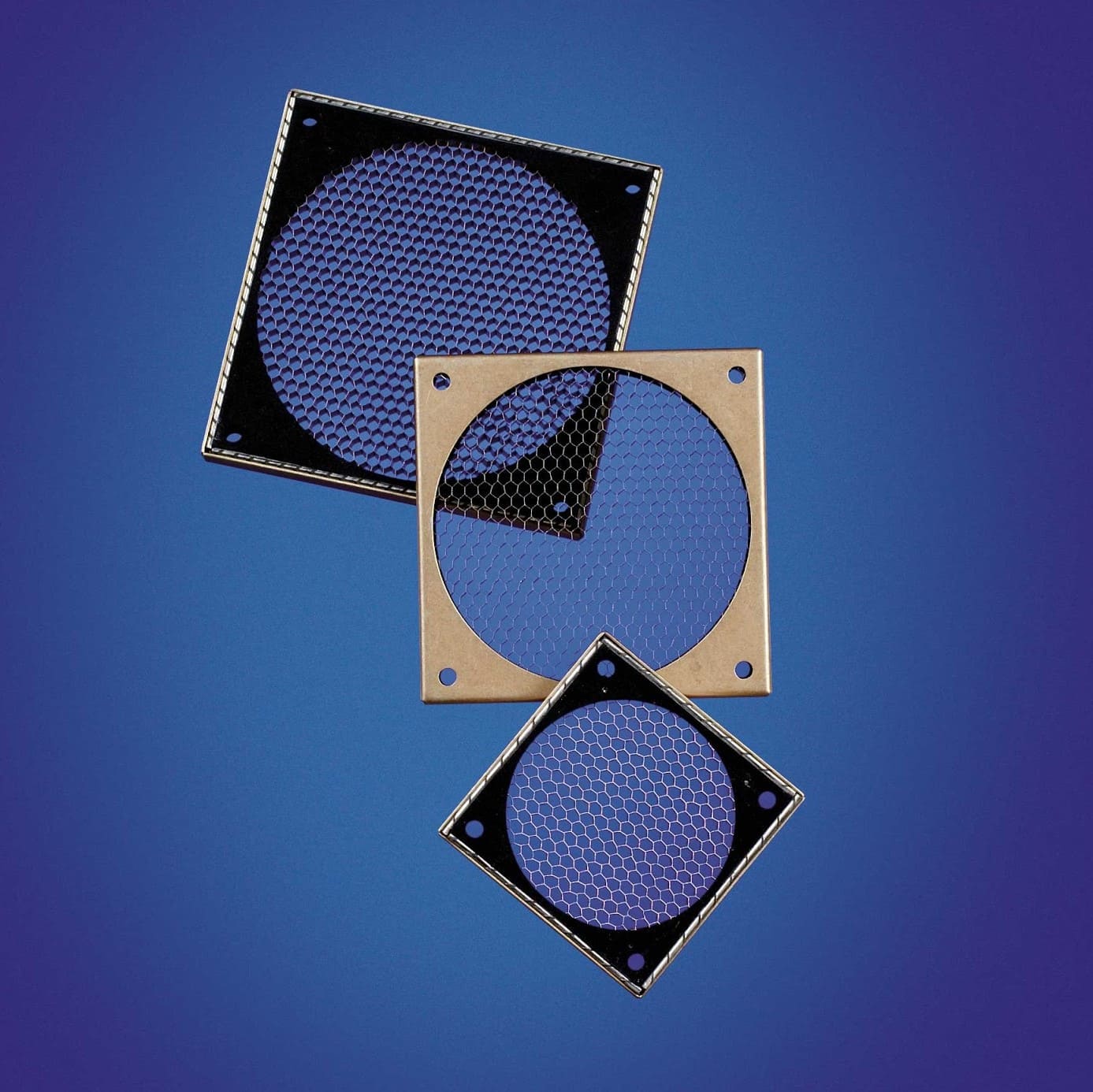
What is EMI (Electromagnetic Interference)?
To understand EMI shielding, we first need to know what EMI is. At its core, EMI refers to unwanted electromagnetic energy that disrupts the functioning of electronic devices. Think of it as noisy neighbors for your electronics—those unwanted signals barging in where they’re not welcome.
Types of EMI
EMI comes in two flavors:
- Natural EMI:
Nature is a constant source of electromagnetic interference. Lightning strikes, solar flares, and even the Earth’s magnetic field can cause natural EMI. - Man-Made EMI:
This is the kind we’re most familiar with. Sources include mobile phones, Wi-Fi routers, power lines, and industrial machinery. Basically, anything with an electrical circuit can generate EMI.
Why is EMI a Problem?
Here’s where things get interesting (and a little frustrating). EMI can cause devices to malfunction, slow down, or completely stop working.
- Consumer Electronics: Your smartphone might lose its signal or freeze.
- Medical Equipment: Pacemakers and MRI machines can experience critical interference.
- Aviation: Airplane communication systems rely on precise signals, and EMI can disrupt them.
So yes, while we can’t see or hear EMI, its effects can be frustrating—or even dangerous.

Understanding EMI Shielding
Now that we’ve unmasked the mischievous nature of EMI, let’s talk about the superhero that keeps it in check: EMI Shielding. Think of EMI shielding as a force field for your electronics. It’s like putting noise-canceling headphones on your devices to block out disruptive electromagnetic “chatter.”
What is EMI Shielding?
At its most basic, EMI shielding involves creating a barrier that prevents electromagnetic energy from passing through. This shield blocks or absorbs the interference, ensuring that electronic devices can operate without disruption. Imagine trying to have a private conversation in a noisy room—EMI shielding acts like a soundproof booth for your devices.
How Does EMI Shielding Work?
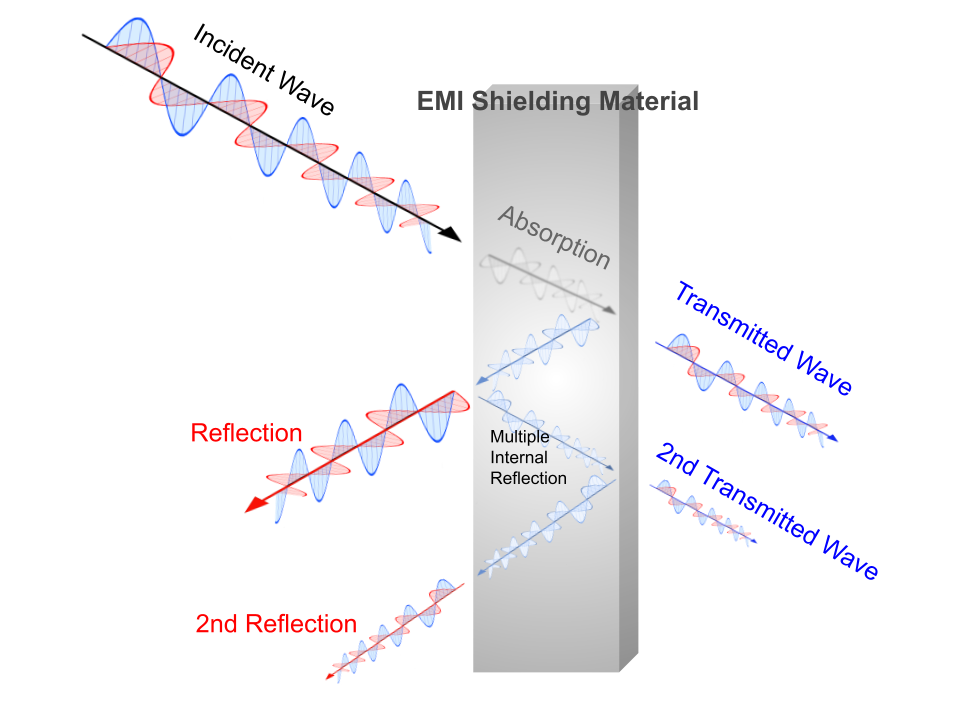
EMI shielding works by using materials that reflect or absorb electromagnetic waves. These materials, often metals like copper or aluminum, act as conductors that redirect the electromagnetic energy away from sensitive circuits. Let’s break this down into two simple concepts:
- Reflection: The shield bounces the electromagnetic waves back, like a mirror reflecting light.
- Absorption: The shield absorbs the energy and dissipates it as heat, neutralizing its effects.
Common Components in EMI Shielding
- Metal Enclosures: Surround sensitive components to keep interference out.
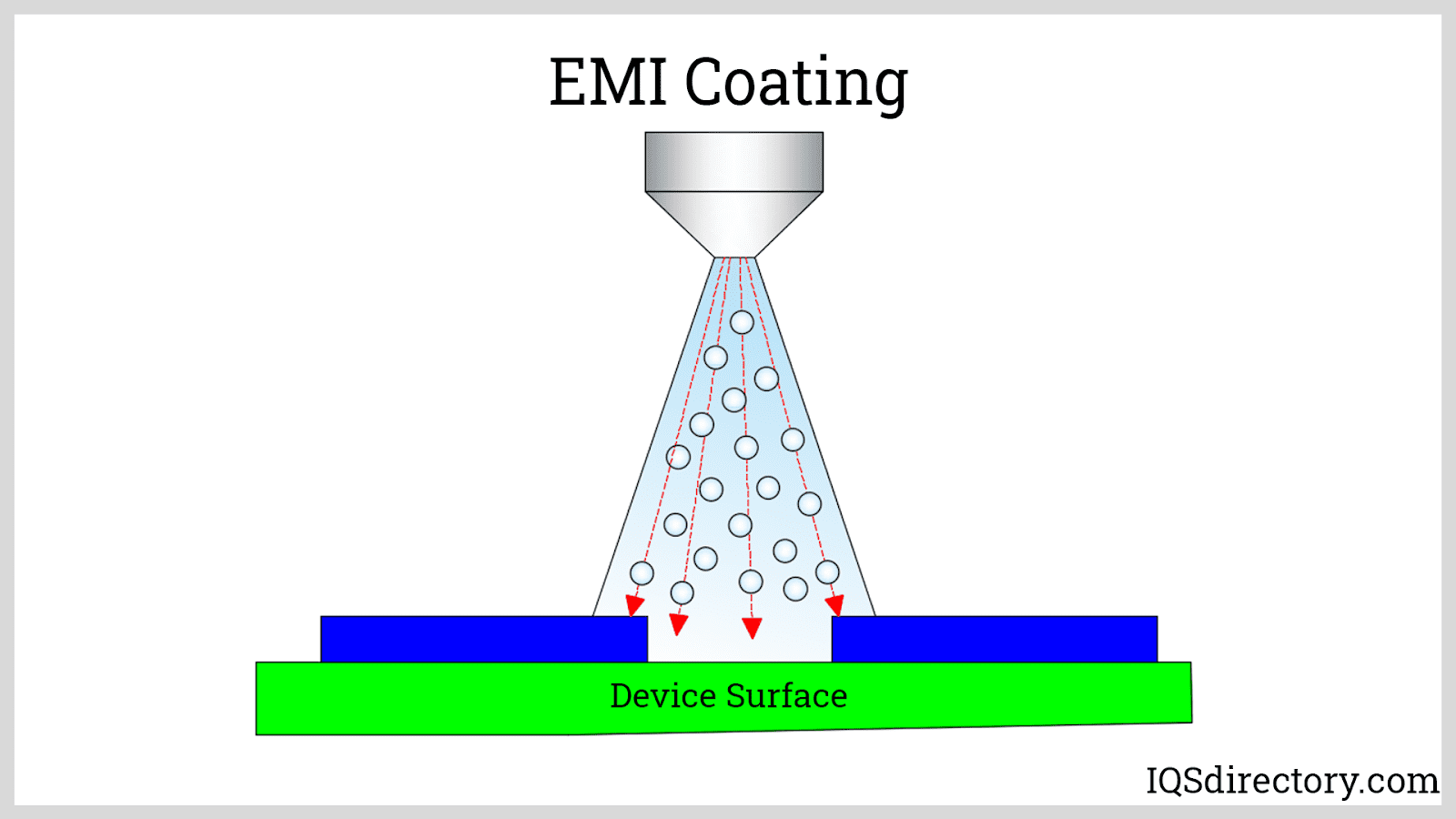
- Conductive Coatings: Applied to device surfaces to create a shielding layer.
- Gaskets and Seals: Ensure no gaps in the shielding, particularly for devices with moving parts or access points.
Here’s a fun analogy: if EMI is like rain, then shielding is your trusty umbrella. The materials used act like waterproof fabric, ensuring no stray “drops” get through to ruin your day.
The Need for Shielding in Modern Tech
As our devices become smaller, faster, and packed with more features, they also become more vulnerable to EMI. Think about it—your smartphone is a miniature computer sitting right next to its own wireless signals. Without proper shielding, your apps would freeze, calls would drop, and your Wi-Fi would go haywire.
So, the next time your devices work seamlessly, silently thank the EMI shielding working behind the scenes.
The Purpose of EMI Shielding
Now we’re getting to the heart of the matter: What is the purpose of EMI shielding? In a nutshell, it’s about protection—protection for devices, data, and even lives. Here’s how EMI shielding makes the modern world tick:
1. Protecting Electronic Devices
The most obvious purpose of EMI shielding is to keep our gadgets running smoothly. Think about how many electronic devices you use daily: smartphones, laptops, TVs, smartwatches—the list is endless. Without shielding, these devices would constantly interfere with each other.
- Example: Imagine working on your laptop while your wireless mouse keeps losing connection because of interference from nearby Wi-Fi signals. Frustrating, right? EMI shielding ensures these disruptions don’t happen.
2. Ensuring Regulatory Compliance
Did you know that manufacturers must adhere to strict electromagnetic compatibility (EMC) standards?
- Why it Matters: These standards ensure that electronic devices can coexist without causing interference. Products without proper shielding might not meet these requirements, leading to fines, recalls, or being barred from the market.
- Fun Fact: Regulatory bodies like the FCC in the US and CE in Europe have detailed guidelines for electromagnetic emissions. Shielding is a manufacturer’s ticket to passing these tests.
3. Improving Safety
In some cases, EMI isn’t just inconvenient—it’s dangerous. Think of the impact on critical systems like pacemakers, MRI machines, or airplane navigation systems.
- Medical Equipment: A pacemaker experiencing interference could malfunction, risking a patient’s life.
- Aviation: Air traffic control systems rely on uninterrupted signals. Shielding ensures pilots and ground crews communicate seamlessly.
- Defense: Military equipment must function in high-EMI environments, such as battlefields or radar-intensive zones.
4. Enhancing Device Longevity
Repeated exposure to EMI can degrade electronic components over time. Shielding reduces this wear and tear, extending the lifespan of devices. It’s like giving your electronics a stress-free environment to thrive in.
- Example: Industrial equipment running 24/7 often operates near powerful motors or machinery, which are EMI hotspots. Proper shielding ensures these machines stay reliable for years.
5. Preventing Data Corruption
Interference doesn’t just mess with hardware—it can scramble data too. In today’s world, where everything from banking to healthcare relies on precise data, shielding protects against errors or breaches caused by EMI.
- Case Study: Banks use EMI shielding in ATMs to prevent interference from nearby signals, ensuring smooth transactions and secure data handling.
In essence, the purpose of EMI shielding is to create an interference-free zone where electronic devices can perform at their best. It’s a bit like traffic control for the invisible waves that surround us, keeping everything running smoothly and safely.
.png?length=1000&name=Untitled design (3).png "what is emi shielding effectiveness?")
Applications of EMI Shielding
EMI shielding isn’t just a behind-the-scenes player; it’s a crucial component in almost every industry that relies on electronics—which, let’s be honest, is practically every industry. From your car to your hospital visits, EMI shielding is everywhere. Let’s break it down:
1. Consumer Electronics
If you’re reading this on a phone, tablet, or laptop, congratulations—you’re holding a device that owes its functionality to EMI shielding.
- Why it’s Needed: Consumer devices are packed with dense circuitry, radios, and wireless transmitters, all in close proximity. Shielding prevents internal components from interfering with each other while also blocking external interference.
- Examples:
- Smartphones: Preventing crosstalk between Bluetooth, Wi-Fi, and cellular antennas.
- Televisions: Ensuring smooth signal reception without pixelation caused by interference.
- Gaming Consoles: Shielding guarantees lag-free online gaming and uninterrupted performance.
2. Automotive Industry
Cars today are rolling computers, loaded with sensors, cameras, and advanced control systems. From entertainment systems to safety-critical components, shielding is vital.
- Applications in Vehicles:
- Electric Vehicles (EVs): These vehicles rely on high-voltage systems that can generate significant EMI. Shielding ensures that onboard electronics and sensors work flawlessly.
- Advanced Driver-Assistance Systems (ADAS): Shielding protects radar, lidar, and cameras that enable features like adaptive cruise control and lane-keeping assistance.
- Navigation Systems: Prevents interference from other in-vehicle electronics.
- Fun Fact: The shift toward autonomous cars has made EMI shielding even more critical. Self-driving vehicles need interference-free communication between their sensors to make real-time decisions.
3. Medical Devices
In healthcare, the margin for error is virtually zero. EMI shielding ensures that sensitive medical devices operate safely and accurately.
- Examples:
- Pacemakers: Shielding prevents interference from external sources, such as mobile phones or microwave ovens, which could cause malfunctions.
- MRI Machines: These devices generate powerful electromagnetic fields and require shielding to avoid affecting nearby equipment or causing image distortions.
- Monitors and Infusion Pumps: Ensures precise operation in environments with high EMI, like hospitals.
4. Aerospace and Defense
The aerospace and defense sectors demand reliability in environments teeming with EMI. Without shielding, critical systems could fail, leading to catastrophic consequences.
- Aerospace Applications:
- Avionics systems rely on shielding to maintain seamless communication and navigation.
- Satellites use shielding to protect sensitive electronics from cosmic radiation and solar flares.
- Defense Applications:
- Radar systems and communication equipment must be shielded to prevent interference from jamming attempts or battlefield EMI.
5. Industrial Applications
Factories are EMI jungles. With massive motors, conveyor belts, and wireless networks, interference is everywhere. Shielding is a lifeline for operational stability.
- Key Applications:
- Robotics: Factory robots depend on shielded controllers to function precisely.
- Sensors: Monitoring systems need interference-free data to maintain production quality.
- Power Equipment: High-voltage machinery requires shielding to avoid creating disruptions across the factory floor.
6. Telecommunications
The backbone of global connectivity is telecom infrastructure, which includes base stations, satellites, and fiber optic networks. EMI shielding ensures that these systems can transmit data efficiently and reliably.
- Example: Shielded enclosures around cell towers prevent interference from environmental factors like lightning or other nearby towers.
A Real-World Case Study: Shielding in Automotive Electronics
Consider the Tesla Model 3. With its advanced driver-assistance systems, large touchscreen interface, and electric drivetrain, it’s a hotspot for EMI. Tesla uses custom-designed shielding to ensure its radar and ultrasonic sensors don’t interfere with the electric motor or battery management system. Without this, the car’s autonomous features wouldn’t work reliably—a clear example of why EMI shielding is indispensable.
As you can see, EMI shielding is like the invisible safety net that allows technology to function seamlessly in complex environments.
Materials Used in EMI Shielding
The effectiveness of EMI shielding largely depends on the materials used. These materials are carefully chosen based on their ability to block, absorb, or redirect electromagnetic waves. Let’s explore the most commonly used materials and their unique properties.
1. Metal-Based Materials
Metals are the go-to choice for EMI shielding due to their high conductivity and ability to block electromagnetic waves effectively.
Common Metals and Their Uses:
- Copper:
- Why It’s Used: Copper offers excellent conductivity and is highly effective at blocking EMI.
- Applications: Frequently used in circuit board shielding, enclosures, and cables.
- Bonus: Its malleability makes it ideal for intricate designs.
- Aluminum:
- Why It’s Used: Lightweight, cost-effective, and corrosion-resistant.
- Applications: Enclosures for consumer electronics and automotive components.
- Silver:
- Why It’s Used: It’s the most conductive metal, making it highly effective for critical applications.
- Applications: Often found in high-end medical devices or aerospace components.
- Steel:
- Why It’s Used: Durable and affordable, though slightly less conductive than copper or aluminum.
- Applications: Large industrial equipment or rugged enclosures.
Comparison Table of Metal Shielding Materials:
| Material | Conductivity (Relative) | Cost | Applications |
|---|---|---|---|
| Copper | High | Moderate | Circuit boards, cables |
| Aluminum | Moderate | Low | Consumer electronics, automotive |
| Silver | Very High | High | Medical and aerospace |
| Steel | Low | Low | Industrial enclosures |
2. Conductive Polymers
For applications where flexibility and weight are concerns, conductive polymers are gaining popularity. These materials combine the benefits of plastics with added conductivity, thanks to embedded conductive particles like carbon or metal fibers.
- Advantages:
- Lightweight and flexible.
- Easy to mold into complex shapes.
- Cost-effective for large-scale production.
- Applications: Smartphones, wearable devices, and flexible sensors.
3. Coatings and Paints
Conductive coatings and EMI shielding paints provide a cost-effective way to shield irregular surfaces or internal components. These are typically made from particles of metal like copper, silver, or nickel suspended in a binder.
- Where They Shine:
- Shielding internal surfaces of enclosures or housings.
- Adding an EMI-resistant layer without altering the device design significantly.
- Applications: Smartphones, tablets, and industrial machinery.
4. Shielding Tapes and Fabrics
In scenarios where flexibility is crucial, shielding tapes and fabrics come to the rescue. These materials consist of a woven mesh of conductive threads or adhesive-backed conductive films.
- Uses:
- Shielding cable wraps.
- Covering seams or gaps in enclosures.
- Quick fixes for EMI hotspots during prototyping.
- Fun Fact: Some fabrics are even used in protective clothing to shield workers from high-EMI environments.
5. Composite Materials
Advanced composite materials combine metals with non-metal components like plastics, ceramics, or carbon fibers. These are designed for specific requirements, such as low weight, high strength, or corrosion resistance.
- Applications: Aerospace and automotive industries, where weight reduction is critical.
Choosing the Right Material
Selecting the right material for EMI shielding depends on factors like:
- Frequency Range: Higher frequencies may require more conductive materials.
- Environment: Outdoor applications may need corrosion-resistant options.
- Cost Constraints: Balancing performance with affordability.
- Device Size: Smaller devices often use lightweight, flexible materials.
Pro Tip: Many devices use a combination of materials to balance cost, performance, and design constraints. For example, a smartphone may use conductive polymers internally, metal shielding for the antenna, and shielding tapes for connectors.